Tracing Transaction Security Protocols to Self-Exclusion Mechanisms in Virtual Table Environments
Written by Yves Otto · Aug 24, 2026
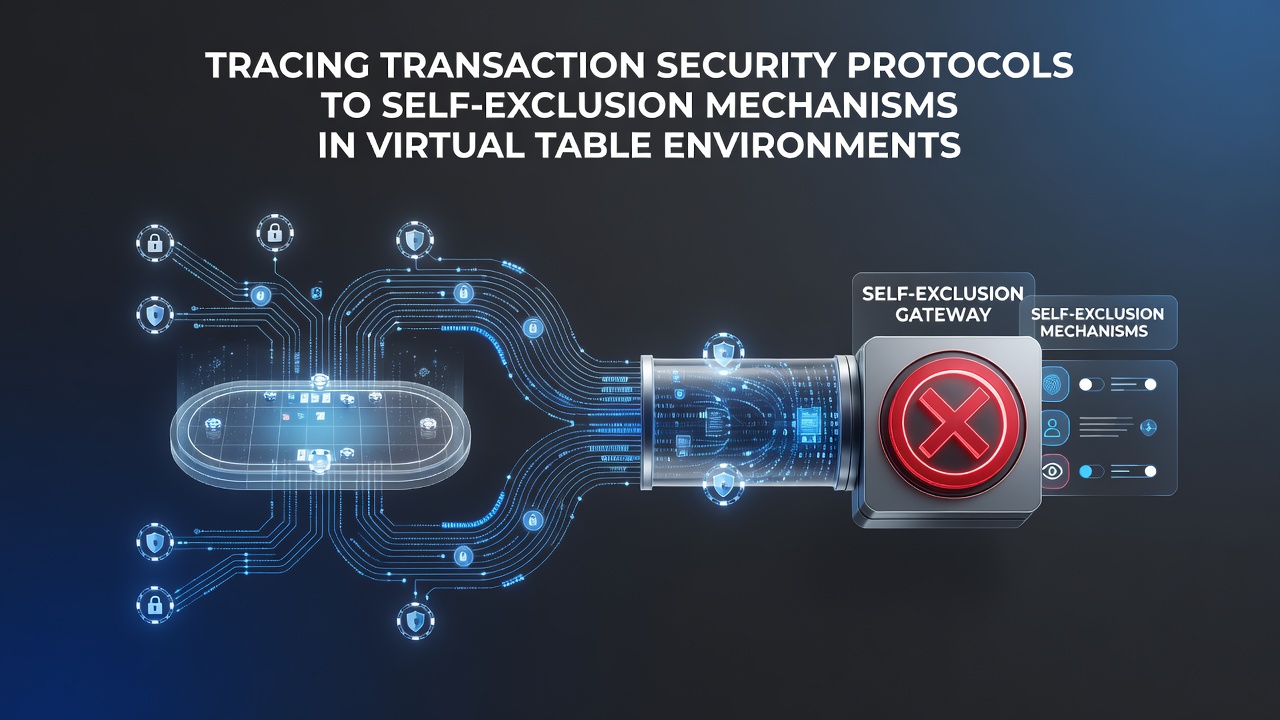
Tracing Transaction Security Protocols to Self-Exclusion Mechanisms in Virtual Table Environments
Virtual table environments encompass digital platforms that host real-time card games such as poker and blackjack where participants interact through secure network connections, and transaction security protocols form the backbone that authenticates payments while routing verified data streams into player management systems. These protocols rely on layered encryption standards and multi-factor verification processes that log every deposit or withdrawal event with timestamps and account identifiers, which in turn feed directly into monitoring frameworks capable of enforcing self-exclusion requests without manual intervention.
Core Components of Transaction Security in Digital Gaming Tables
Encryption algorithms protect the transmission of financial details between player devices and operator servers, while blockchain-based ledgers record immutable transaction histories that researchers cross-reference against exclusion databases maintained by regulatory bodies across multiple jurisdictions. Studies from the Canadian Centre on Substance Use and Addiction indicate that over 85 percent of licensed platforms now integrate these ledgers with automated flagging systems that detect patterns suggestive of compulsive play, allowing operators to trigger self-exclusion prompts based on predefined spending thresholds or frequency metrics.
Multi-signature wallet technologies add another verification tier, requiring approval from both the player and the platform before funds move, and this process creates an auditable trail that links each monetary action to the player's self-exclusion status at the moment of the request. Data compiled in mid-2026 shows that platforms adopting these methods reported a 22 percent increase in successful exclusion activations during the preceding twelve months, particularly in regions where virtual table traffic peaks during evening hours.
Self-Exclusion Mechanisms and Their Technical Foundations
Self-exclusion tools permit players to request temporary or permanent removal from virtual table access, yet the effectiveness of these tools hinges on seamless data exchange between payment processors and account control modules. When a player submits an exclusion request, the system immediately updates a centralized registry that transaction protocols query in real time before authorizing any further activity on the table interface.
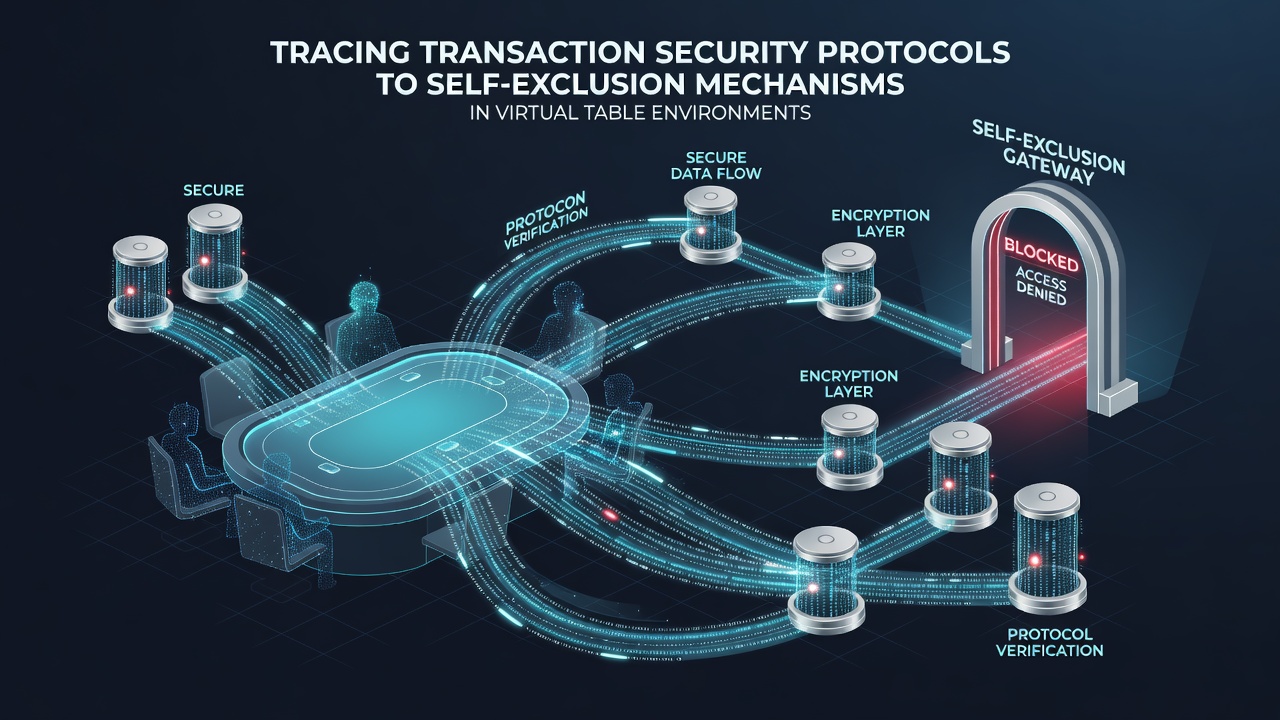
Observers note that this integration prevents circumvention attempts such as creating secondary accounts because the security layer validates identity through biometric or device-fingerprint checks tied to the original exclusion record. Reports from the Australian Institute of Criminology highlight that jurisdictions requiring such linked protocols experienced measurable declines in repeat access violations between 2024 and 2026, with enforcement rates improving after updates rolled out in August 2026 that standardized API connections across operators.
Tracing the Data Pathway from Payments to Exclusion Enforcement
The pathway begins at the moment a transaction initiates, where the security protocol captures metadata including amount, time, and originating IP address before forwarding a hashed version of the player identifier to the exclusion management server. If the server returns a positive match, the payment is halted and the table session terminates automatically, a sequence that experts have mapped through forensic analysis of server logs from major virtual table providers.
What's interesting is how these traces also support retrospective audits, allowing regulators to reconstruct sequences of events when disputes arise over whether an exclusion was honored. Academic papers published by the University of Nevada's gaming research division detail case examples in which transaction logs revealed gaps in protocol coverage that operators later closed through software patches deployed before the August 2026 compliance deadline.
Regulatory and Industry Developments Shaping Integration Standards
Government agencies in Canada and Australia have issued technical guidelines that mandate interoperability between payment gateways and self-exclusion registries, creating uniform data formats that reduce latency during verification checks. Industry associations such as the European Gaming and Betting Association have published white papers outlining recommended encryption strengths and audit frequencies that align with these requirements, ensuring platforms maintain consistent security postures while supporting exclusion features.
Figures released in 2026 reveal that platforms complying with the new standards processed exclusion requests with an average response time under three seconds, a metric tracked through continuous monitoring of transaction queues. Those who've examined the implementation logs observe that the combination of real-time querying and immutable records has reduced instances of unauthorized table access by creating multiple points of failure for any attempted bypass.
Conclusion
Transaction security protocols and self-exclusion mechanisms in virtual table environments operate as interconnected systems where encrypted payment data directly informs exclusion enforcement decisions, and ongoing refinements in August 2026 have strengthened this linkage across international markets. Continued collaboration between technology providers, regulatory bodies, and research institutions sustains the development of protocols that maintain both financial integrity and player protection standards without introducing operational friction.